Creating the Perfect Space for Your Small Business

Creating the right space for a small business involves more than choosing attractive furniture or putting up a fresh coat of paint. The physical environment needs to support employees, customers, equipment, and everyday operations while remaining practical to maintain. Whether you are opening a new location or renovating an existing one, planning ahead can help you balance appearance, functionality, safety, and cost.
Different businesses require different improvements. A restaurant may need commercial refrigeration and upgraded electrical capacity, while an office may place greater emphasis on flooring, acoustics, lighting, and interior finishes. Exterior concerns such as roofing and snow management can be just as important as improvements inside the building.
What Is the Best Approach to Choosing a Paint Service?
Understanding Your Business Color Themes
Color can influence the atmosphere of a commercial space and reinforce a company’s visual identity. Hiring a paint service is a great way to increase the appeal of your business.
Consider existing flooring, furniture, signage, lighting, and other finishes before selecting colors. A cohesive palette can make the space feel more organized and intentional.
Evaluating Eco-Friendly Paint Options
Businesses may also consider paints designed to produce fewer volatile organic compounds and odors. This can be particularly useful when painting an occupied building where employees or customers will remain nearby.
However, environmental considerations should be balanced with durability, coverage, cleaning requirements, and the intended application. The best product is one that suits both the building and the way the space will be used.
Selecting a Reputable Painting Contractor
Look for a contractor with experience handling commercial properties. Larger spaces and occupied buildings can require specialized preparation, scheduling, and coordination with other trades.
Ask about previous projects, preparation procedures, products, estimated timelines, and cleanup. A detailed proposal should clearly explain what is included in the work.
Budget Considerations for Painting Services
The lowest estimate is not necessarily the lowest overall cost. Labor, surface preparation, repairs, primers, specialty coatings, and after-hours work can all affect the final price.
Comparing detailed estimates makes it easier to determine what each contractor is actually providing and identify potential additional costs.
Longevity and Maintenance of Commercial Paint Jobs
Commercial walls can experience considerable wear, particularly around entrances, hallways, kitchens, and other high-traffic areas. Durable coatings can make frequent cleaning easier and reduce the need for premature repainting.
Regular cleaning and occasional touch-ups can also help preserve the appearance of the space.
How Can Concrete Polishing Enhance Your Business Space?
Benefits of Polished Concrete Floors
Polished concrete provides a durable flooring option for many commercial environments. Existing concrete is mechanically refined to create a smoother surface with a finish ranging from satin to highly reflective.
The result can work well in high-traffic areas and can complement industrial, modern, minimalist, or traditional designs.
Cost-Effectiveness of Concrete Polishing
When a suitable concrete slab already exists, polishing may eliminate the need to purchase and install another flooring material. Costs depend on the slab’s condition, required preparation, desired finish, and size of the project.
A concrete polishing service can evaluate the existing floor and determine whether repairs, grinding, polishing, or sealing will be necessary.
Aesthetic Value of Polished Concrete
Polished concrete can offer more design flexibility than many people realize. Aggregate exposure, sheen, stains, and other treatments can produce different appearances.
This allows the floor to become part of the overall design instead of simply serving as a utilitarian surface.
Maintenance Tips for Polished Floors
Regular dust and debris removal can help minimize abrasion, while appropriate cleaning products can preserve the finished surface. Spills should be addressed promptly when necessary.
Although polished concrete is durable, routine maintenance remains important for keeping it attractive and functional.
Finding the Right Concrete Polishing Specialist
Ask prospective contractors about their commercial experience and finishing techniques. Examples of comparable projects can provide useful information about the results they typically produce.
The contractor should also inspect the slab before making promises about the finished appearance, particularly if the concrete has cracks, stains, uneven areas, or old coatings.
What to Consider When Selecting Commercial Refrigeration Services?
Energy Efficiency in Refrigeration
Restaurants, grocery stores, convenience stores, and other businesses can spend significant amounts of energy operating refrigeration equipment. Commercial refrigeration services may help reduce operating costs.
Consider both the initial purchase price and anticipated operating expenses when comparing equipment.
Key Features of Modern Commercial Refrigeration Systems
Temperature control, storage capacity, accessibility, durability, and monitoring capabilities are important considerations. Depending on the business, equipment may include reach-in refrigerators, walk-ins, display cases, or freezers.
Digital temperature displays and alarms can also help employees identify problems before inventory is compromised.
Maintenance and Repair Service Options
Routine maintenance can identify dirty coils, damaged seals, worn components, and other problems before they result in equipment failure. Ask providers about preventive maintenance and emergency repair options.
Businesses that depend heavily on refrigeration should have a plan for responding to equipment problems quickly.
Choosing the Right Size and Capacity
Equipment that is too large can waste energy, while equipment that is too small may struggle during busy periods. Storage requirements, product turnover, available space, and expected demand should all be considered.
A refrigeration professional can help determine the appropriate capacity for the business.
Fitting Refrigeration Seamlessly Into Your Business Layout
Refrigeration should fit into the workflow rather than create an obstacle. Consider employee movement, loading areas, customer access, ventilation, electrical requirements, and available floor space before installation.
Planning these factors in advance can prevent costly changes later.
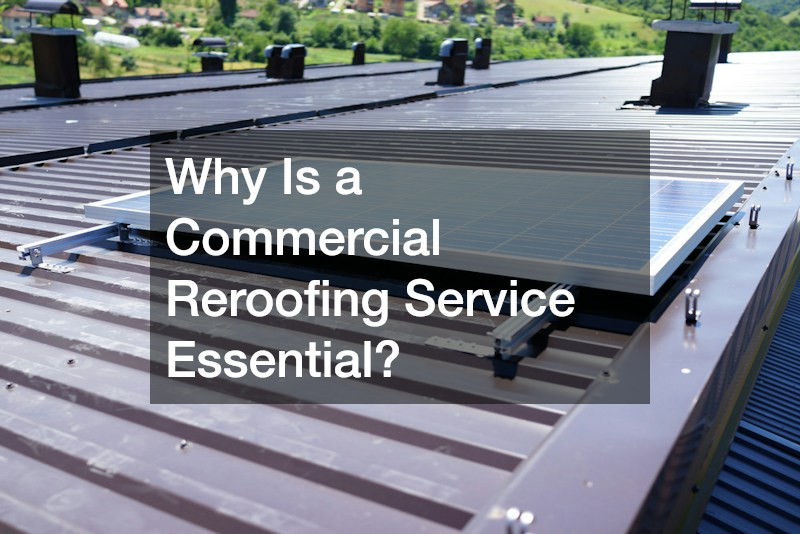
Why Is a Commercial Reroofing Service Essential?
Signs Your Business Roof Needs Replacement
Leaks are an obvious warning sign, but persistent moisture, damaged membrane sections, deteriorated flashing, ponding water, and repeated repairs can also indicate a larger problem.
A professional inspection can determine whether targeted repairs are sufficient or whether replacement should be considered.
Choosing Materials for Commercial Roofing
Commercial roofs can use systems such as single-ply membranes, modified bitumen, built-up roofing, or metal. Each has different installation requirements, durability characteristics, and maintenance needs.
Climate, building use, roof design, budget, and long-term maintenance should all factor into the decision.
Minimizing Business Disruption During Reroofing
Roof replacement can create noise, debris, access restrictions, and other disruptions. Discuss scheduling, material deliveries, work areas, and safety procedures before construction begins.
An experienced commercial reroofing service can coordinate work around operating requirements when practical.
Energy Benefits of New Roofing Systems
A new roof may improve insulation and reduce heat transfer when the existing system has deteriorated or lacks adequate insulation. Reflective materials may also provide benefits in appropriate climates.
Energy performance should be considered as part of the complete roofing assembly rather than judged solely by the surface material.
Finding Experienced Commercial Roofers
Commercial projects require knowledge of drainage, membranes, flashing, building conditions, and workplace safety. When comparing commercial roofers, consider relevant experience, insurance, references, and the completeness of each proposal.
What Role Does Interior Powder Coating Play in Commercial Spaces?
Purpose and Advantages of Powder Coating
Powder coating creates a durable finish on compatible metal components. Dry powder is applied to the prepared surface and cured to form a finished coating that can resist wear and frequent handling.
This makes it useful for many commercial fixtures and architectural elements.
Applications for Interior Business Elements
Interior powder coating can be used for shelving, partitions, railings, furniture frames, display fixtures, and other metal components. It can improve consistency among different fixtures while providing a durable finish.
Businesses can choose finishes that complement their existing interior design.
Cost Considerations for Powder Coating
Costs depend on the number and size of components, preparation requirements, coating specifications, and complexity. Treating multiple pieces together may sometimes be more efficient than handling them individually.
A detailed estimate should account for both preparation and finishing.
Quality and Durability of Powder-Coated Fixtures
Proper surface preparation and curing are essential to producing a durable result. The substrate needs to be appropriately cleaned before the coating is applied.
When properly performed, powder coating can provide a hard-wearing finish for many commercial applications.
Integrating Powder Coating Into Business Aesthetics
Consistent metal finishes can help connect different parts of an interior. Businesses can use matching finishes for shelving and furniture or contrasting finishes to highlight specific architectural features.
How to Effectively Manage Snow Removal Services for Your Business?
Setting Up a Snow Removal Plan
Businesses in snowy regions should establish snow removal services before winter arrives. Identify parking areas, sidewalks, entrances, loading zones, emergency access routes, and suitable snow-storage locations.
Having priorities established ahead of time allows crews to respond more efficiently during storms.
Choosing a Reliable Snow Removal Service
Commercial properties often require more extensive equipment and planning than residential properties. Ask potential providers about staffing, equipment, response times, deicing practices, and communication procedures.
Service triggers and pricing should also be established before winter weather begins.
Importance of Prompt Snow and Ice Removal
Snow and ice can interfere with pedestrian and vehicle access. Prompt clearing of entrances, walkways, and important parking areas can help maintain access to the property.
Conditions should continue to be monitored because refreezing can create new hazards after an initial clearing.
Cost Strategies for Seasonal Snow Management
Providers may charge per event, seasonally, according to accumulation thresholds, or through a combination of pricing models. Businesses should compare these options based on property size and historical snowfall.
Understanding the contract before the season begins can make winter expenses easier to budget.
Safety Protocols for Snow and Ice Hazards
Snow plans should account for pedestrian routes, visibility, drainage, snow storage, and deicing materials. Employees should know which areas may have temporary restrictions or hazards.
Good communication among the property owner, employees, contractor, and customers can help during severe weather.
What Should You Know About Hiring Commercial Roofers?
Assessing a Roofer’s Credentials and Experience
Before hiring a roofing contractor, verify relevant credentials, insurance, references, and commercial experience. Ask whether the company has worked with the type of roofing system installed on your building.
Experience with similar properties can help a contractor identify potential complications before work begins.
Understanding Commercial Roofing Warranties
Warranties can cover materials, workmanship, or specific installation requirements. These protections may have different terms and exclusions.
Review the warranty carefully and determine who is responsible for inspections, maintenance, repairs, and claims.
Cost Implications of Different Roofing Services
Roofing costs depend on roof size, accessibility, materials, existing damage, insulation, drainage, labor, and disposal. Comparing only the final price can make different proposals difficult to evaluate accurately.
Each proposal should clearly describe the work, materials, exclusions, payment terms, and potential additional costs.
Safety Standards for Roofing Services
Roofing work involves fall and equipment hazards, making proper safety procedures essential. Contractors should follow applicable workplace requirements and maintain appropriate safeguards.
Property owners should also understand how workers, materials, equipment, and debris will be managed around employees and customers.
Negotiating Service Contracts With Roofers
A maintenance agreement can establish expectations for inspections, routine repairs, response times, and documentation. Before signing, determine which services are included and which will result in additional charges.
Clear written terms can prevent disagreements later.
How Can an Acoustic Ceiling Contractor Improve Your Business Environment?
Benefits of Acoustic Ceilings
Noise can become a problem in offices, restaurants, classrooms, medical facilities, and other shared environments. Acoustic ceiling systems can absorb reflected sound and improve the overall auditory environment.
This can make conversations easier and reduce distractions when several activities are taking place in the same space.
Material Options for Acoustic Ceiling Installations
Options include mineral fiber tiles, fiberglass systems, wood-based products, and other specialized materials. Products vary in appearance, acoustic performance, durability, and maintenance requirements.
The best choice depends on the building and the level of sound control required.
Cost of Installation and Expected Benefits
Installation costs depend on the ceiling area, accessibility, materials, existing conditions, and project complexity. The expected improvement in the environment should be considered alongside the initial investment.
An acoustic ceiling contractor can assess the space and recommend an appropriate system.
Assessing the Need for Soundproofing
Sound absorption and sound isolation serve different purposes. A ceiling system can reduce reflected noise within a room, while preventing sound from traveling between rooms may require additional construction.
Identifying the source of the unwanted noise is therefore important before choosing a solution.
Finding a Specialist in Acoustic Solutions
Look for contractors who can explain the expected acoustic performance of their recommendations. They should be able to discuss materials, installation requirements, and the specific needs of the business.
Why Are Electrician Services Crucial for Small Businesses?
Identifying Electrical Needs of Your Business
Computers, refrigeration, kitchen equipment, lighting, HVAC systems, security equipment, and machinery can all create different electrical demands. Planning for current and future loads can help avoid inadequate capacity.
Electrical needs should be considered early in a renovation rather than after other improvements are complete.
Ensuring Compliance With Electrical Safety Standards
Commercial electrical work must comply with applicable codes and requirements. Proper installation of panels, circuits, outlets, lighting, and equipment connections is essential for safe operation.
Businesses should use appropriately qualified professionals for work requiring specialized knowledge or permits.
Preventive Maintenance of Electrical Systems
Inspections can identify damaged wiring, overloaded circuits, deteriorating components, and other problems before they interrupt business operations.
Keeping records of electrical work can also make future upgrades and troubleshooting easier.
Energy-Saving Lighting and Power Solutions
LED lighting, occupancy controls, efficient equipment, and other improvements may reduce electricity consumption in appropriate applications. The best upgrades depend on how the building is actually used.
An electrical professional can evaluate lighting, operating schedules, and loads to identify practical improvements.
Choosing the Right Electrical Contractor
Consider licensing, insurance, commercial experience, references, communication, and familiarity with the required work. Reliable electrician services should come with a clear explanation of the proposed work and associated costs.
What Should You Look for in a Licensed General Contractor?
Understanding the Role of a General Contractor
A general contractor can coordinate multiple aspects of a renovation or construction project. Depending on the agreement, responsibilities may include scheduling subcontractors, obtaining materials, coordinating inspections, managing the site, and communicating with the property owner.
This can simplify projects involving several different trades.
Licensing and Insurance Requirements for Contractors
Licensing requirements vary by location and type of work. Businesses should verify applicable requirements and confirm that contractors have appropriate insurance before work begins.
Do not assume that every contractor has the same qualifications or coverage.
Evaluating Past Projects and Client Reviews
Previous projects can demonstrate whether a contractor has experience with work similar to yours. Ask for references or examples involving comparable properties and project scopes.
Online reviews can provide additional context but should be considered alongside references and direct conversations with the contractor.
Cost Considerations and Budget Management
A commercial renovation budget should account for labor, materials, permits, design changes, site conditions, and potentially unforeseen work. A detailed proposal can establish a clearer financial baseline.
Written agreements are especially important when multiple trades are involved because they establish who is responsible for each part of the project.
Importance of Communication and Project Management Skills
Communication is essential when construction affects an operating business. Owners need timely information about scheduling changes, delays, inspections, materials, and unexpected conditions.
A licensed general contractor should be able to coordinate different trades and maintain a workable schedule. Clear communication allows the business owner to respond to changes without losing sight of the overall project.
Closing Thoughts
Creating the perfect space for a small business requires careful attention to appearance, functionality, safety, durability, and cost. Depending on the property and type of business, improvements may involve painting, polished concrete, refrigeration, roofing, powder-coated fixtures, acoustic ceilings, electrical systems, and seasonal snow management.